Hygiene among Youngsters
Introduction:
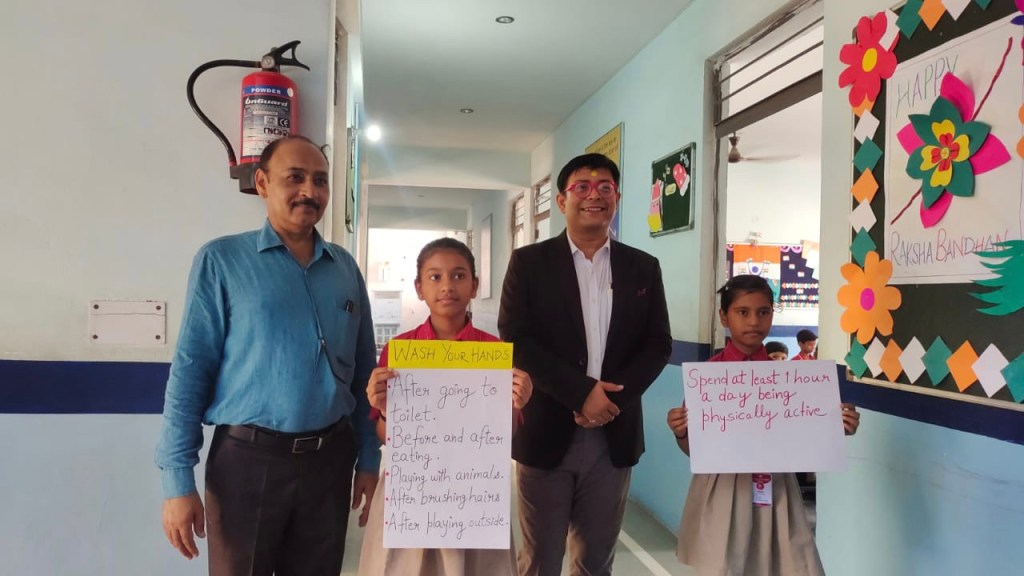
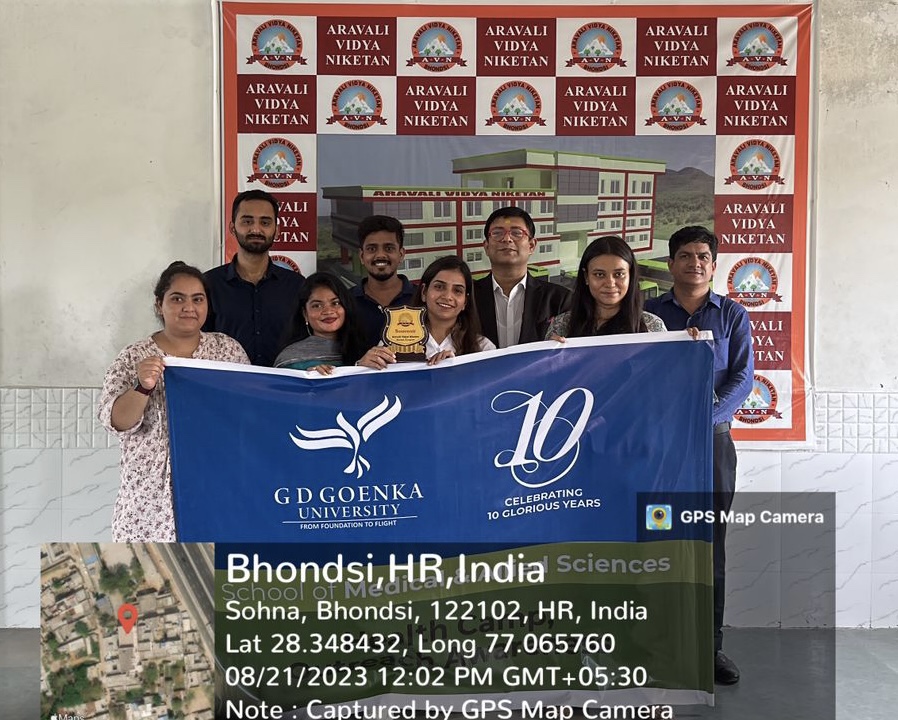
Maintaining proper hygiene is a crucial aspect of leading a healthy life. In a bid to educate and empower young minds with the importance of hygiene, Aravali School Bhondsi took a proactive step by organizing a comprehensive program. This program aimed to impart valuable knowledge and practices related to hygiene to the school’s students, creating a foundation for a healthier future.
The Need for Hygiene Education:
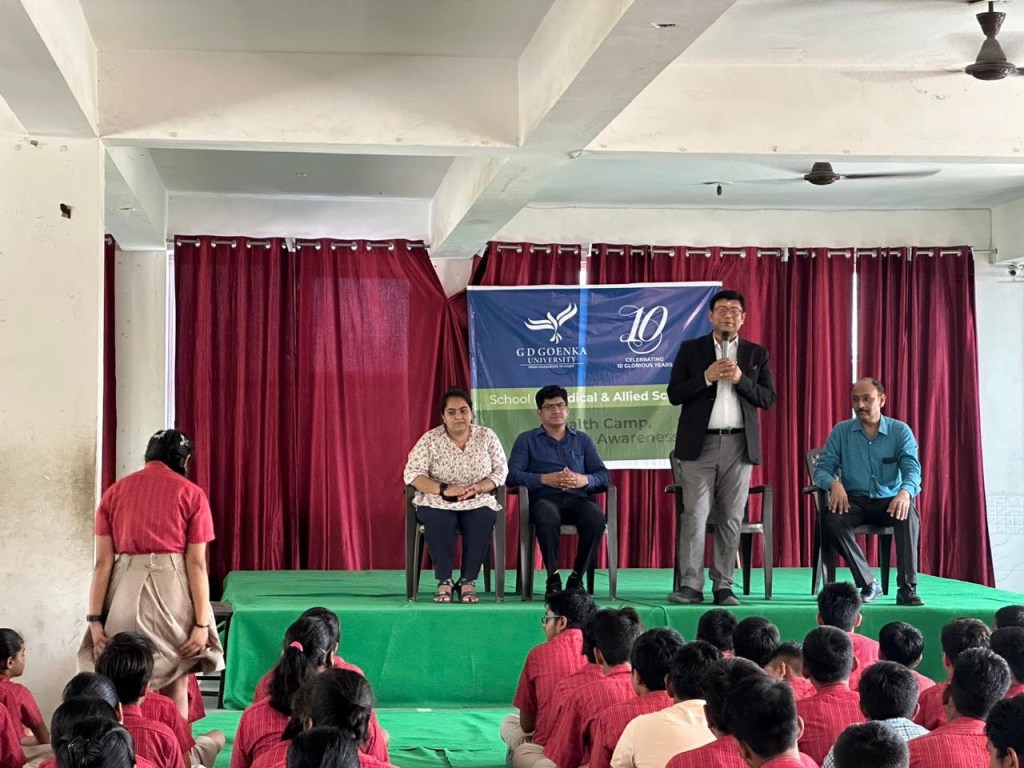
Hygiene education plays a pivotal role in preventing the spread of diseases and fostering a culture of cleanliness. Many students, especially in their formative years, might not be fully aware of the significance of hygiene practices. Aravali School Bhondsi recognized this gap and decided to bridge it through an enlightening program.
The Program in Action:
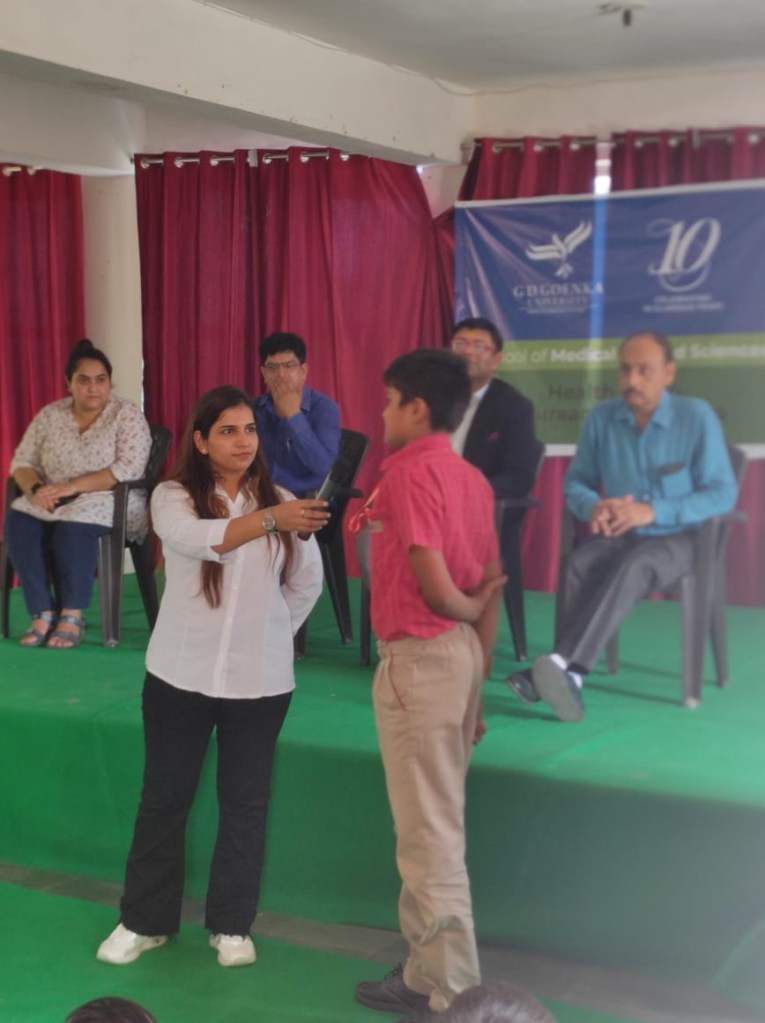
The program consisted of a well-structured lecture designed to engage students of various age groups. The lecture covered several crucial aspects of hygiene, including handwashing, dental care, personal grooming, and maintaining a clean environment. By using interactive methods such as videos, demonstrations, and real-life examples, the educators ensured that the students were not only informed but also inspired to incorporate these practices into their daily routines.
Key Takeaways:
1. Handwashing: Demonstrating the correct way to wash hands with soap and water for effective germ removal.
2. Dental Care: Emphasizing the importance of regular brushing and flossing for healthy teeth and gums.
3. Personal Grooming: Educating students about maintaining cleanliness through regular bathing, hair care, and nail trimming.
4. Clean Environment: Encouraging responsible waste disposal and cleanliness in personal spaces, classrooms, and the school premises.
Impact and Outcomes:
The program’s impact was evident in the increased awareness and enthusiasm displayed by the students. Many students started adopting the hygiene practices they learned, not only at school but also at home. This positive behavior change not only contributed to the well-being of the students themselves but also had a ripple effect on their families and the larger community.
Conclusion:
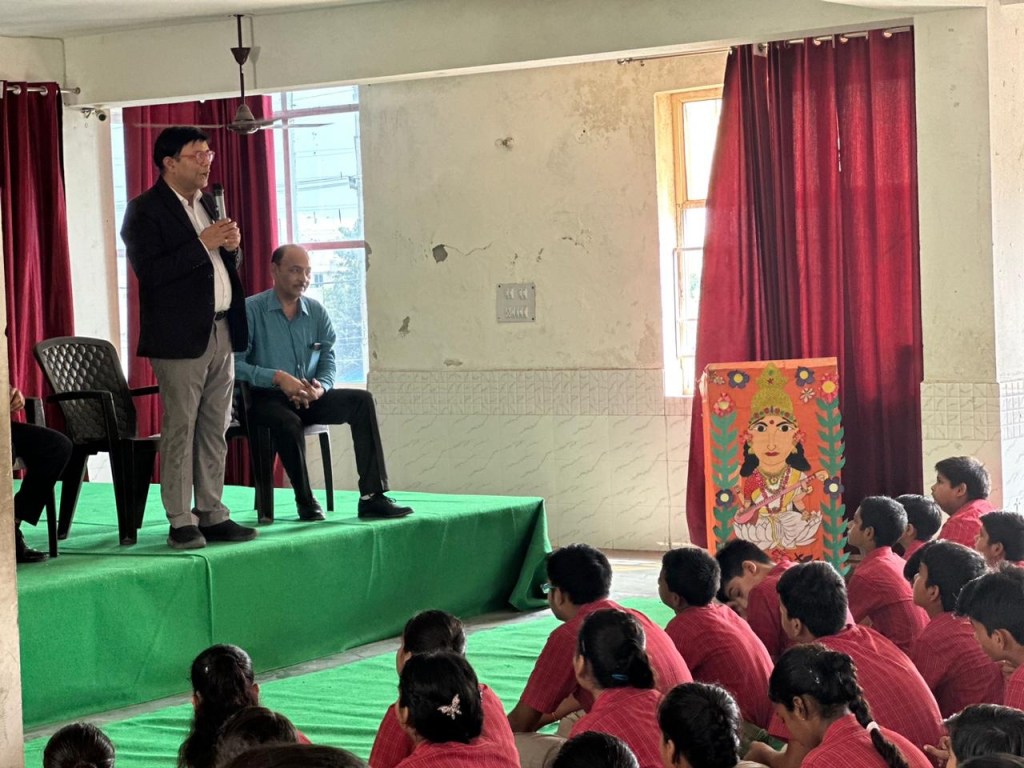
The hygiene education program at Arawali School Bhondsi stands as a shining example of proactive and impactful education. By instilling the values of cleanliness and health in the young minds of students, the school has taken a significant step towards creating a healthier, more aware generation. As other institutions consider similar initiatives, the success of this program serves as an inspiration to prioritize hygiene education for the betterment of society as a whole.
 Positive Health Movement