
World Malaria Day at Laburnum School, Bhondsi
Introduction:
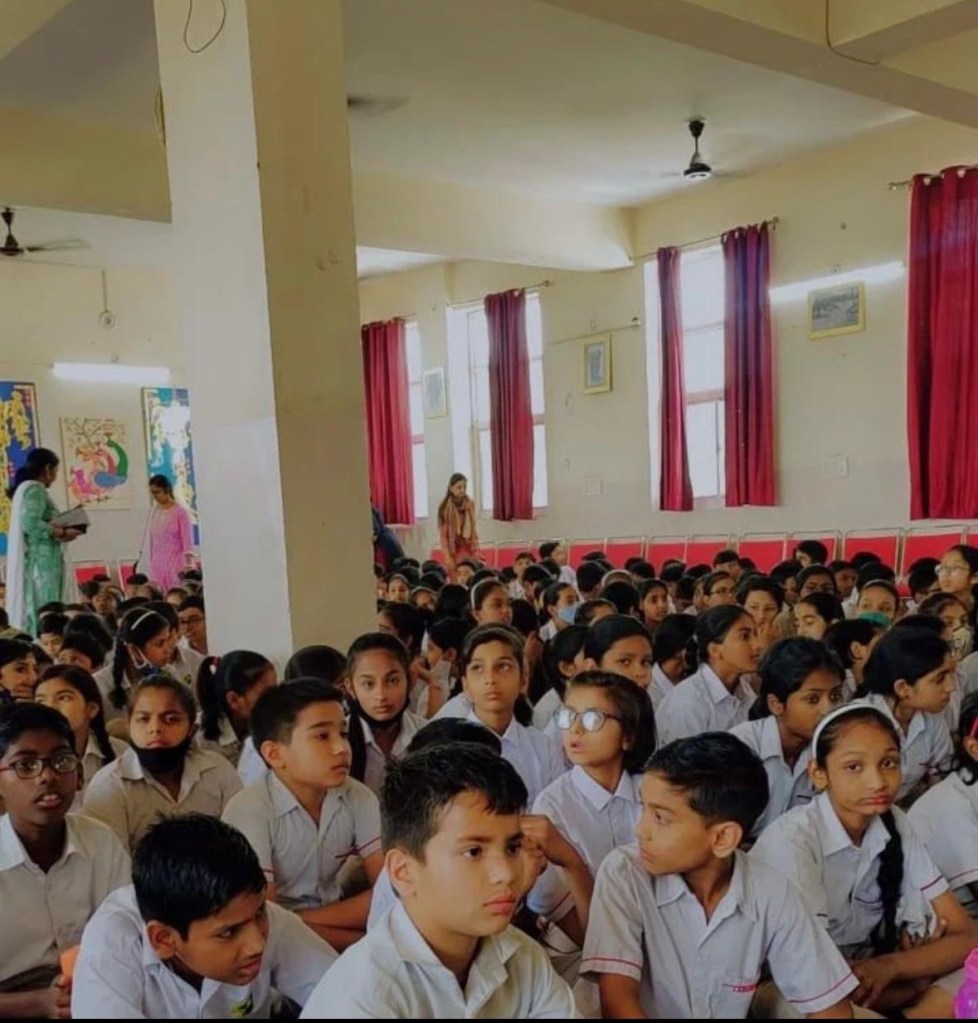
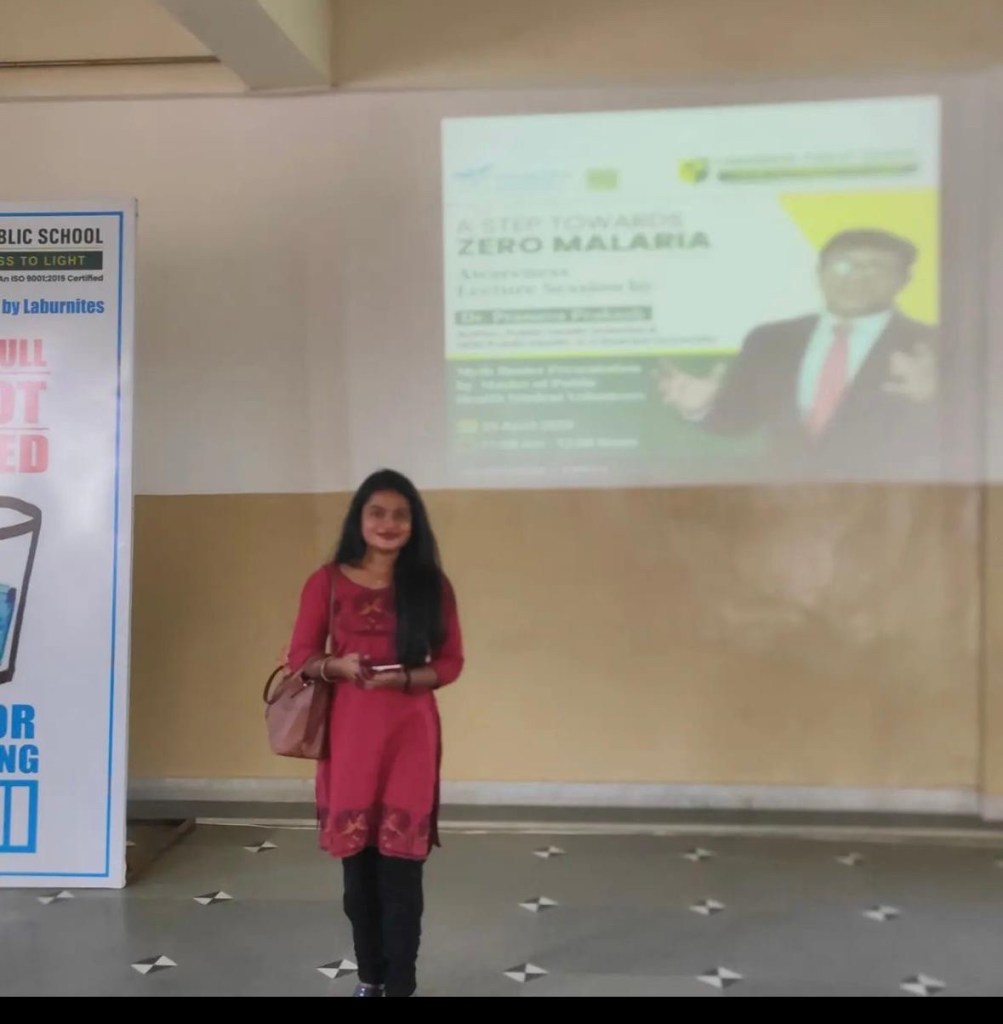
World Malaria Day is a global event dedicated to raising awareness about the threat of malaria and promoting efforts to combat this deadly disease. At Laburnum School in Bhondsi, a day of enlightenment and education was organized to mark this occasion. With a compelling speech from the Head of Department Dr. Pranava Prakash on malaria prevention and a student presentation on nutrition and immunity enhancement, the event became a catalyst for empowering the community to protect themselves from this prevalent illness.
Understanding Malaria:
The event at Laburnum School began with an insightful speech by the Head of Department Dr. Pranava Prakash, shedding light on the ins and outs of malaria. The audience gained valuable insights into the causes, symptoms, and transmission of the disease. By debunking myths and offering factual information, the speech aimed to demystify malaria and emphasize the importance of vigilance.
Preventing Malaria:
The focus of the event’s opening address was on prevention strategies. Attendees were educated about the significance of insecticide-treated bed nets, indoor residual spraying, and timely medical interventions. The speech highlighted that a collective effort is crucial in the fight against malaria, from individual actions to community-wide initiatives.
Nutrition and Immunity:
A student’s presentation on nutrition and immunity formed a pivotal segment of the event. The student delved into the relationship between proper nutrition and a robust immune system. Valuable insights were shared on the consumption of nutrient-rich foods, vitamins, and minerals that can bolster the body’s defenses against malaria and other illnesses.
Empowering the Community:
Laburnum School’s World Malaria Day event wasn’t just about disseminating information; it was about empowering individuals to take action. Attendees left the event equipped with knowledge about simple yet effective measures that can be incorporated into their daily lives to safeguard against malaria. From using bed nets to making informed dietary choices, the community gained practical tools for disease prevention.
Spreading the Message:
The impact of Laburnum School’s initiative extended beyond its campus. As attendees absorbed the knowledge imparted during the event, they became ambassadors of malaria prevention. Armed with accurate information, they were well-equipped to share insights with family, friends, and neighbors, creating a ripple effect of awareness and action.
Conclusion:
World Malaria Day at Laburnum School, Bhondsi, served as a beacon of education and empowerment. With a thought-provoking speech by the Head of Department and a student presentation on nutrition, the event delivered a dual message of disease prevention and overall health improvement. By taking small yet significant steps, individuals can collectively fortify their defenses against malaria, contributing to a healthier and more informed community.
 Positive Health Movement